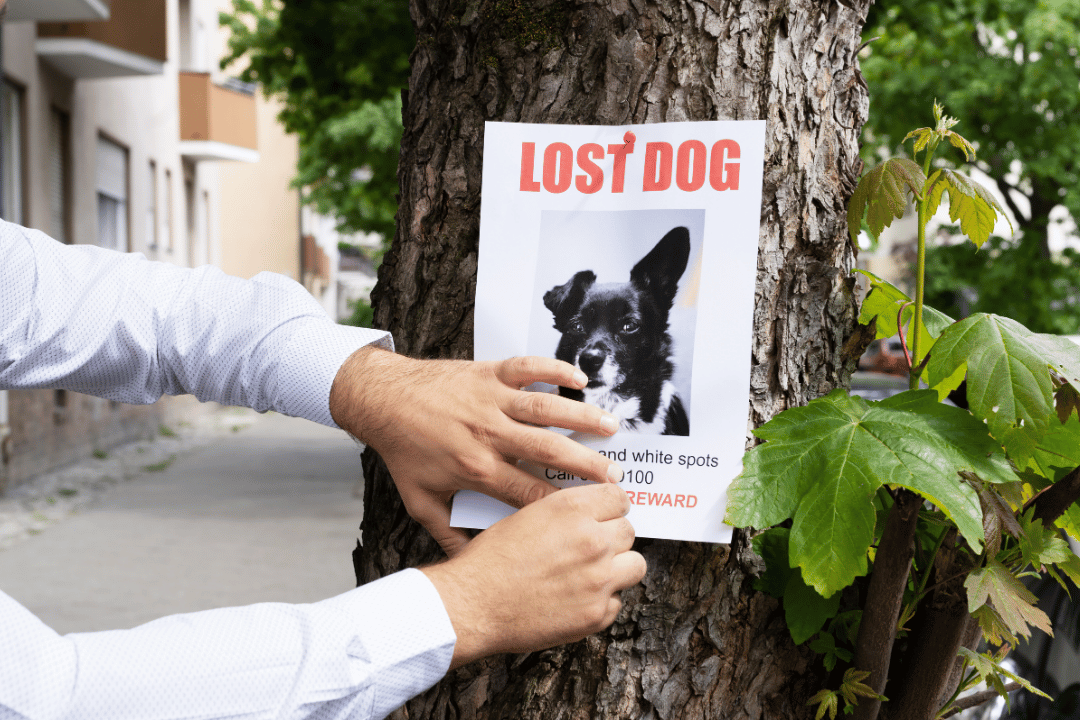
Optimize your chances of recovering a lost pet by leveraging social media; discover how to create impactful posts that engage your community and inspire action.
When your pet goes missing, it's natural to feel a mix of panic and helplessness. But there's a tool in your pocket that can rally an entire community to help: social media. With the right approach, your post can go from just another lost pet appeal to a viral call to action. Here’s how to make the most out of social media to bring your furry friend back home.
Choosing the Right Platforms
Different social media platforms have different strengths, and when it comes to finding a lost pet, choosing the right one can make all the difference. Facebook is the ultimate go-to for lost pet campaigns. The local community groups are invaluable; you’re not just tapping into your friends list, but into an entire network of people who live nearby and care. Post in relevant groups—lost and found pet groups, neighbourhood watch, local community forums—and don’t forget to ask people to share your post.Instagram is your visual storytelling platform. Post clear, eye-catching photos or videos of your pet, and make sure to include vital information in the caption: breed, colour, distinctive markings, and where they were last seen. Use location tags and relevant hashtags (#LostDog, #LostCat, #YourTown) to boost visibility. Utilize Stories: Use Instagram Stories to keep your audience updated in real time. People love swiping through stories, and it keeps your pet’s image in the front of their minds.Twitter is another great tool, especially for quick, repeated updates. The lifespan of a tweet is short, but its immediacy is perfect for spreading the word fast, especially with the right hashtags. Don’t underestimate the power of local Twitter accounts—tag relevant local news outlets or popular community accounts to boost your reach.
Crafting a Compelling Post
When you’re making a post, think of it like a missing person’s appeal—you need to grab attention quickly. Start with your pet’s name and a recent, clear photo. Describe them as if you’re talking to someone who’s never seen them before. What makes them stand out? Do they have a funny walk, a favourite toy they might be carrying, or a unique marking on their paw? Make sure to include where and when they were last seen, and add a contact number that’s easy to read.Add a Call to Action: End your post with a specific request—“Please share this post,” or “Please check your garden sheds if you’re in the area.” Giving people a direct action makes it more likely that they’ll get involved.
Leveraging Local Community Groups
Local community groups on platforms like Facebook or Nextdoor are the backbone of lost pet campaigns. These groups are full of people who genuinely want to help—they’re your digital neighbourhood watch. When posting, be sure to introduce yourself briefly and explain the situation with clarity. Use an urgent but hopeful tone—people respond well to empathy, and they’re more likely to help if they feel connected to your story.Engage Actively: Don’t just post once and disappear. Respond to comments, thank people for their shares, and keep the conversation alive. The more you interact, the more people will keep your pet in mind. Update regularly, even if there's no new information—something as simple as "Still searching, thanks for all the shares, it means so much!" keeps people engaged.
Engaging With Followers Effectively
Social media isn’t just about broadcasting—it’s about engaging. When someone comments, messages you, or shares your post, acknowledge it. A simple thank you can go a long way in making people feel appreciated and keeping them involved. Create an emotional connection by sharing little details about your pet—how they love to curl up in a sunny spot or always greet you with a wag. These small details make people feel invested, turning your post from just another lost pet announcement into something they care about personally.Create Shareable Content: Graphics work wonders. Consider making a simple, bright graphic with a clear photo of your pet, their name, and “LOST” in big letters. People are more likely to share a visually appealing post, and it’s easier to spot when scrolling through a busy feed.
Sharing Updates and Keeping Momentum
Keeping your audience updated is crucial. Every time there's an update, even if it’s small, share it. If someone thinks they spotted your pet, post about it. If you’ve searched a particular area, let people know. Not only does this keep people engaged, but it also helps keep your pet’s image circulating in the community.Use Instagram and Facebook Stories to give real-time updates. These are easy for people to click through and will keep your pet’s search fresh in their minds. Celebrate the Helpers: If someone helps, like searching an area or putting up flyers, shout them out! It shows the community effort and keeps people motivated to do more.
Hashtags and Tagging: Expanding Your Reach
Hashtags are your ticket to reaching beyond your immediate circle. Use a mix of general and location-specific hashtags. Things like #LostDog, #PetAlert, combined with #YourTown or #YourNeighborhood, will help the post spread beyond just your friends and family. Tagging local organizations, shelters, and even local businesses can also help boost visibility—especially those accounts with lots of local followers.Don't Forget Location Tags: On Instagram, always tag the location where your pet was last seen. This helps people in that specific area find your post more easily and engage with it. The more specific you can be, the better.
Conclusion: Social Media as a Community Rallying Tool
Using social media to find a lost pet isn’t just about making a post and hoping for the best. It’s about telling a story, getting people involved, and building a community effort around your search. The right post, on the right platform, with the right mix of emotion and action, can rally a whole neighbourhood—or even an entire town—into helping you bring your beloved companion back home.By choosing the right platforms, crafting compelling posts, engaging directly with followers, and keeping the updates coming, you’re not just looking for a pet—you’re building a network of people who care. And in that network lies the power to make miracles happen, one share at a time.

Table of contents